
 iscover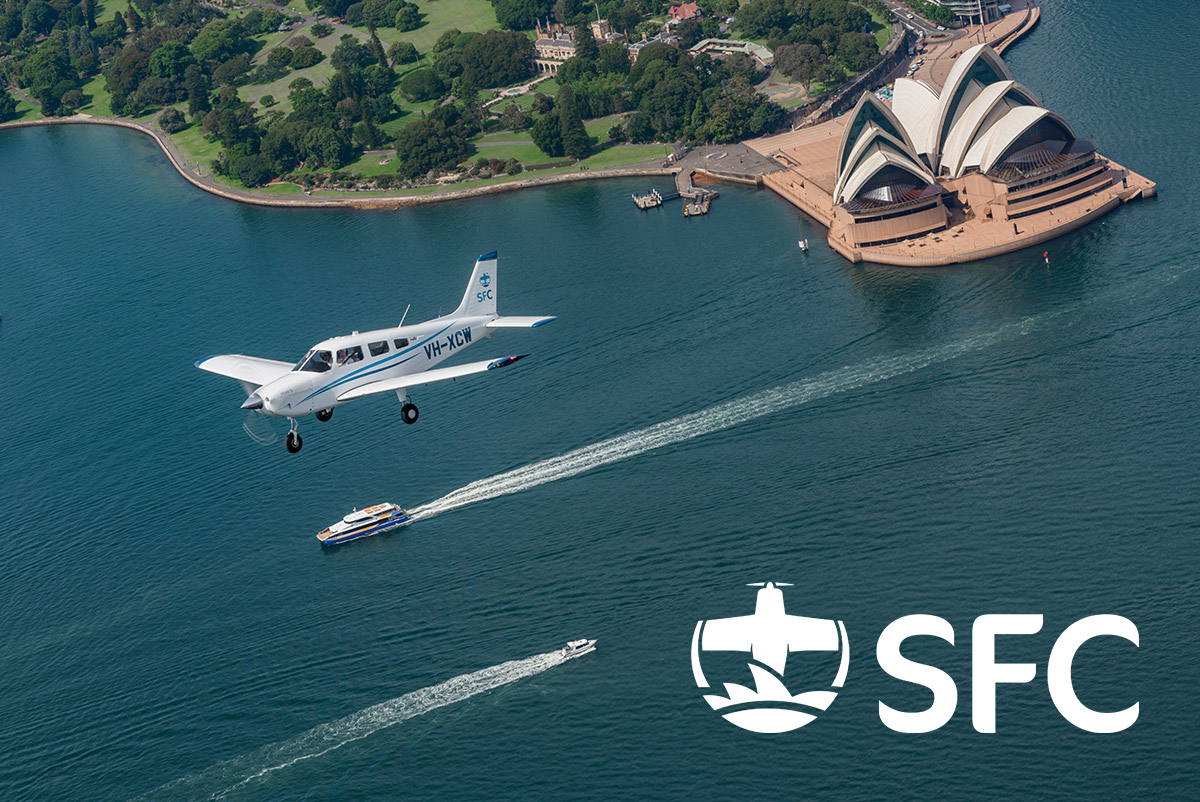
It is not unusual to find that passion and enthusiasm trigger careers in aviation. However, these qualities alone do not always guarantee long-term success, particularly in a dynamic and constantly evolving industry such as aviation.
Back in 1969, the Schofields Flying Club (SFC) began as a not-for-profit club for aviation enthusiasts. Over time, it rapidly expanded its activities to include organisation air shows and training. In 1998, the club officially evolved into a separate organisation, initially focused on Private Pilot Licences, before progressing into the field of professional Commercial Pilot training.
Today, SFC operates as a fully established Approved Training Organisation (ATO), offering a comprehensive range of pilot training programmes — from Recreational Pilot Licence training through to Airline Transport Pilot Licence Theory courses. As Joseph Pilo, CEO, explains, “A graduate of SFC training is expected not only to complete the training, but also to demonstrate the knowledge, discipline and confidence required to operate successfully within a professional airline environment.”
Aeroplane, Multi-Crew Cooperation (MCC), and Instrument Rating training are delivered within the organisation, supported by approximately 201 hours of flying training.
The Sydney base is geared to the Self-Paced progress though the qualifications for those who prefer that route. This can also include a Flight Instructor Rating.
Selection
To maximise student success, SFC places strong emphasis on selecting the most suitable candidates. The used tools include interviews and aptitude evaluations, helping identify individuals with the strongest potential for success in aviation training.
Pilo is careful to include live interviews, and with the theory courses, makes sure that the instruction is as effective as possible with live classroom instruction. With the new cohorts thoroughly immersed in training/learning from online/tablet-based formats it has become apparent that the temptation of short-term learning and poor lesson retention does not lead to solid knowledge acquisition. He is keen to explore the ways to best use the new learning tools and algorithms but is loath to adopt as-yet-unproven technology as an exclusive option.
Training Platforms
SFC carefully selects its aircraft fleet to match each stage of pilot training, ensuring students develop the right skills progressively throughout their journey. So Piper aircraft are used throughout, the Cherokee for the Single Engine phase and the Seminole for the Multi Engine training, with the Extra employed for the UPRT phase. This training philosophy is further reinforced by the academy’s partnership with Matt Hall, renowned Red Bull Air Race World Champion and former Royal Australian Air Force Top Gun fighter pilot. His endorsement of SFC as the preferred flight school for aspiring pilots highlights the academy’s strong reputation and commitment to excellence.
Simulators
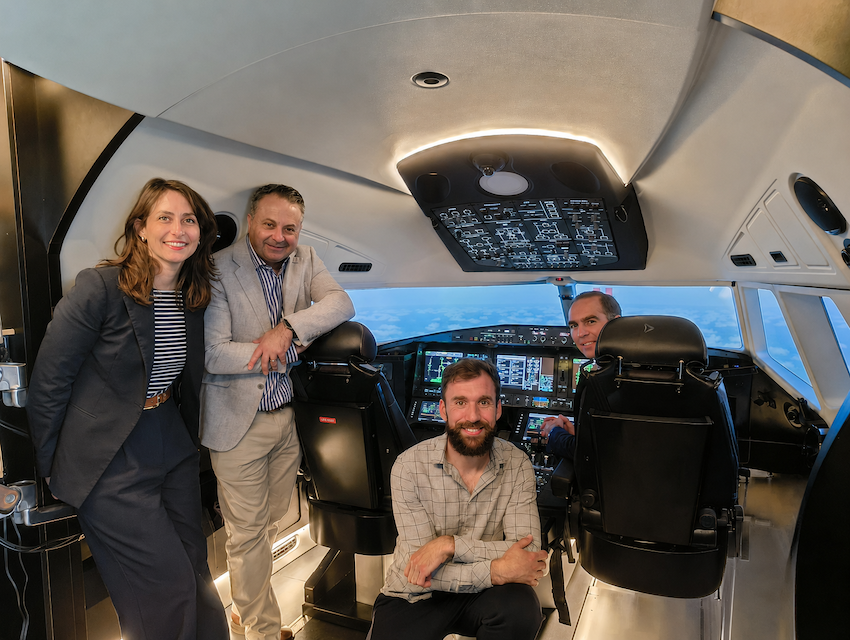
The Recreational Pilots are supported in their training with VR systems, and the single and multi-engine training with Redbird FMX, but the jewel in the simulator crown is the recently-acquired ALSIM Airliner. This simulator, at SFC’s second Base Operation in Tamworth, NSW, is in place to integrate into the 12 month residential course as an introduction to commercial operation.
https://www.youtube.com/shorts/ynf5q_Jihck
ALSIM Airliner
This highly versatile training device can be rapidly reconfigured between Airbus A320 and Boeing 737 cockpit layouts, providing students with exceptional flexibility and exposure to modern airline operations.
According to Joseph Pilo, CEO, the ALSIM Airliner plays a crucial role in preparing students for airline careers. “The Airliner is not only a valuable training platform, but also an excellent recruitment tool. Airlines regularly conduct assessment sessions using the simulator to evaluate future pilots in a realistic airline environment.”
The simulator’s advanced capabilities allow students to train in complex operational scenarios while developing essential airline procedures and multi-crew coordination skills.
SFC also emphasises the importance of modern, airline-oriented technology in training. The use of “soft skills” training within an intuitive and student-friendly environment is considered essential for preparing the next generation of airline pilots.
With certification expected soon, SFC plans to integrate the ALSIM Airliner even further into its complete pilot training programme, supporting students from the earliest stages of training through to airline type-rating preparation.
Want to know more. Get in touch here: https://utm.guru/usdxm
Prepared by Chris Long, freelance journalist