
 iscover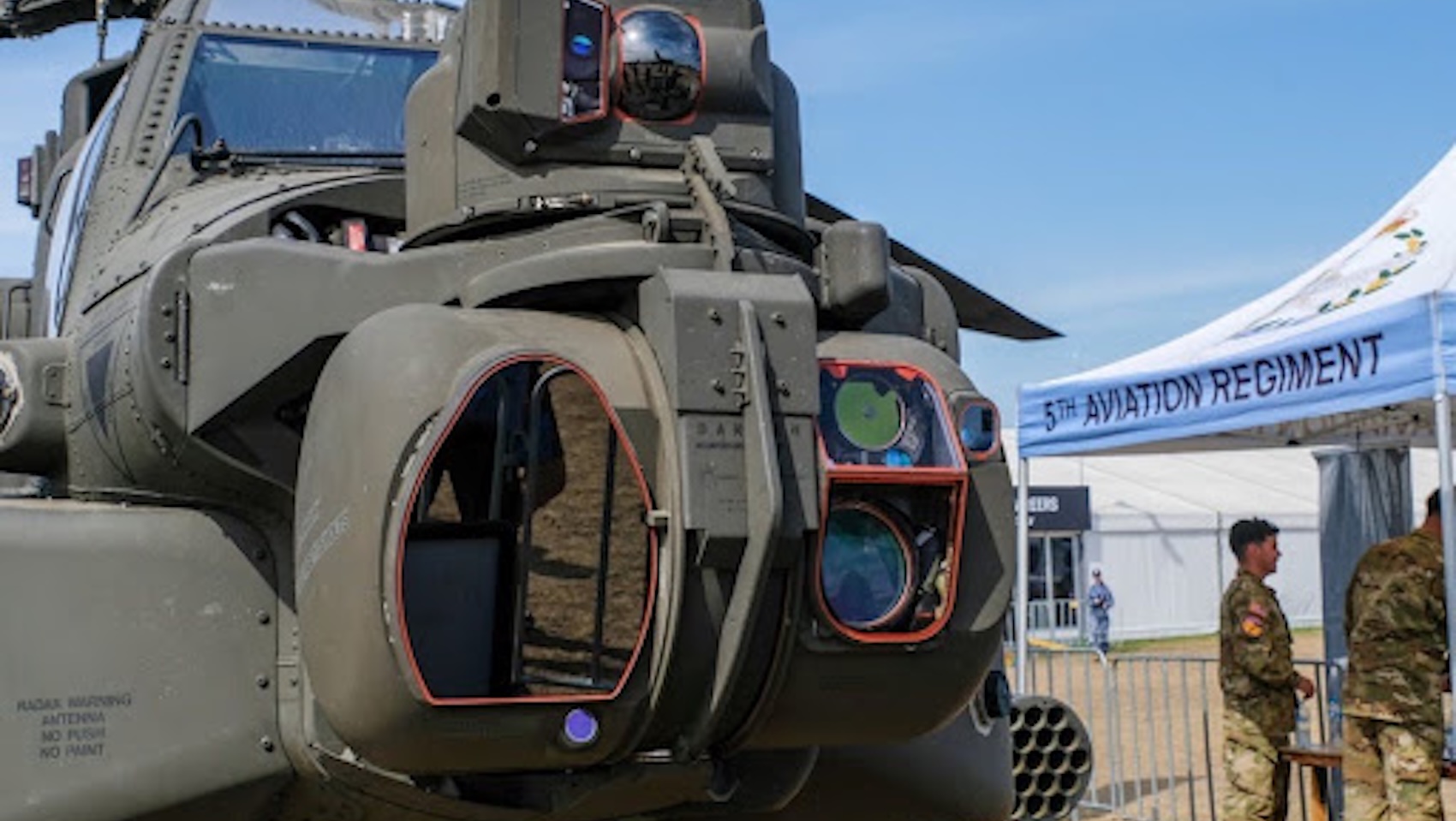
AI technologies have been revolutionising virtually all Australian and global industries, providing professionals with new ways to manage their daily operations, and potentially even supercharge their productivity and output over the long term.
This content is available exclusively to Australian Aviation members.
A monthly membership is only $5.99 or save with our annual plans.
- Australian Aviation quarterly print & digital magazines
- Access to In Focus reports every month on our website
- Unlimited access to all Australian Aviation digital content
- Access to the Australian Aviation app
- Australian Aviation quarterly print & digital magazines
- Access to In Focus reports every month on our website
- Access to our Behind the Lens photo galleries and other exclusive content
- Daily news updates via our email bulletin
- Unlimited access to all Australian Aviation digital content
- Access to the Australian Aviation app
- Australian Aviation quarterly print & digital magazines
- Access to In Focus reports every month on our website
- Access to our Behind the Lens photo galleries and other exclusive content
- Daily news updates via our email bulletin
AI tools have also proven themselves to be effective across a wide variety of applications and use cases, spanning from creative processes like image generation to business automation, data processing, and even quality control processes. So it stands to reason that even commercial AI technologies can deliver unique value to our defence forces.
Researchers at the Defence Science and Technology (DST) Group have been busy collating their insights into the most recent global advances in the sphere of AI technologies, outlining the impact that these technologies may potentially have on defence operations. Their research paired with our growing focus on AI innovation through initiatives like the Australian AI Awards, speaks to an AI-ready future not only for Aussie businesses and business owners, but also for our military.
In their report, the DST Group researchers reference five application areas for AI in the context of military activities, alongside outlining what resources the ADF would feasibly need to facilitate innovation across these application areas. Across the report, highly technical qualifications were recognised as foundational for military AI readiness. For example, technicians working across high-performance computing would need a relevant ICT and/or cyber security qualification, whereas project leaders in AI transformation projects would require a postgraduate AI leadership qualification.
Below, we’ll be outlining some of the report’s key takeaways alongside spotlighting some of the key AI skills that the ADF will likely be investing in to ensure AI readiness.
What AI application opportunities are recognised by defence researchers?
In the DST Group report titled ‘Recent Advances in Artificial Intelligence and their Impact on Defence’, researchers outlined the following five application areas for AI in Australian military operations:
- Image understanding
- Intelligent decision-making
- Artificial creativity
- Natural language processing
- Physical automation
1. Image understanding

For military operations, AI capacity for image recognition opens up new opportunities for threat monitoring, surveillance, search-and-rescue, and other similar applications. For aviation and maritime surveillance, for instance, deploying AI image processing solutions can support military teams in scanning monotonous environments (i.e. open ocean, airways, etc.) for features of interest (i.e. enemy units, lost vessels, etc.).
For army troops, object recognition also allows for enhanced target recognition technologies, allowing for safer on-ground activities and reductions in rates of friendly fire or damage resulting from human error. Advancements in AI tools for processing biometrics like face scans and fingerprint reading can also support defence security monitoring both in bases as well as out in the field.
2. Intelligent decision-making
The value of AI tools in dynamic data interpretation also proves valuable to defence operations, namely in supporting defence teams in finding correlations across broad and growing data sets. This includes areas like logistics, transportation, and resource management out in the field, but also across tactical and strategic applications, like route mapping and data extrapolations powering predictive analytics.
One of the major logistical benefits of AI-powered data analytics for the defence sector is simply that using AI to power analytics processes empowers military personnel to keep their attention on their environment. The value of ‘situational awareness’ facilitated through reliance on AI tools for running routine tasks is referenced numerous times through the DST Group report, which makes intelligent decision-making applications of AI amongst the most highly recognised by the defence researchers.
3. Artificial creativity
Whilst artificial creativity seems like more a commercial AI application that has less value in the context of military operations, defence researchers actually cited artificial creativity tools as a potential method for identifying false narratives (i.e. propaganda, fake reports, fake images, etc.) purposefully provided to military personnel with the intention of misleading and disrupting operations.
The idea here is to fight fire with fire, in much the same way that cyber security professionals are using AI-powered antivirus solutions to combat AI-powered malware that’s capable of self-improving via machine learning processes.
In the context of military training, artificial creativity tools may also prove useful for developing training materials for new recruits, however the report cites that no such activities are currently undertaken or tested across the defence sector.
4. Natural language processing
As information management is a key capability for military enterprises, natural language processing is another AI application that provides strong potential for Australia’s defence sector. The DST Group reports that different aspects of information retrieval could be automated through the use of AI and deep learning, allowing for streamlined text and data processing, even across sources that aren’t directly managed by Australian defence entities.
Natural language processing tools also boast applications across speech recognition and gathering intelligence from informal communication channels, with opportunities for AI technicians to develop language processing tools that allow Australian defence teams to interpret messaging in foreign languages or even to crack codes via algorithmic processes.
5. Physical automation
Finally, AI in the realm of physical automation is already providing value to the Australian defence sector, namely through the deployment of unmanned aerial vehicles (UAVs), as well as remote submarine and field systems. This particular AI application also provides opportunities for technicians and engineers with a keen interest in physical automation technologies, and improving on existing IIoT defence offerings to include AI-powered processes like predictive analytics and maintenance, route preparation, and remote workflow automation.
Defence opportunities for professionals with AI qualifications
As per the five application opportunities, the report recognises the following professional pathways for skilled AI workers within the defence sector.
AI leadership to guide from research to implementation
Taking the insights from researchers into account for AI transformation projects requires adept AI leaders. This is where AI leadership and change management qualifications are likely to be of value for Australia’s defence sector over the next decade and perhaps even beyond.
For graduates with a keen interest in AI transformation, securing postgraduate qualifications in AI leadership and strategy can ensure you’re well-positioned for career growth as an AI project manager and strategist across the defence sector.
Data and other areas with a focus on high performance computing
Highly skilled computer engineering, ICT, and cyber security professionals are also guaranteed to be in high demand for Australia’s defence sector over the future. These roles are essential not only for developing, implementing, and maintaining digital technologies with AI features for defence operations, but also for ensuring the ADF’s AI transformation is still inclusive of legacy systems.
Australia’s defence sector will require bespoke solutions that meet not only bridging criteria for legacy systems, but also the evolving needs of military personnel over time. For graduates with an interest in technical problem solving and solution design, these technical and computational roles will undoubtedly be highly rewarding.
Investments in AI ethics and governance
Naturally, applying AI tools to sensitive operations like identification systems and security monitoring demands ethical considerations. Thankfully, the ADF has already been investing in AI ethics and governance well before the publication of the DST Group report. In fact, the report already references the ongoing development of the Australian Defence Enterprise Artificial Intelligence Strategy, which seeks to ensure all military activities using AI abide by values-based principles, stipulating:
- individual accountability,
- social and community impact of AI,
- reliability of AI tools,
- security of AI tools, and
- removal of bias and harm in AI applications.
To support this Strategy, Australia’s defence sector will undoubtedly benefit from securing high-level AI legal and governance skills, with ample opportunities for policymakers to make meaningful contributions to national AI regulations as well as defence sector regulations for AI developers seeking to obtain defence contracts.
Is a career in military AI applications the right fit for you?
From technical roles to public policy positions, a career in military AI is definitely quite diverse, with plenty of professional pathways available to the right candidates. For Australian students keen to get started in their ADF career specifically as AI professionals, understanding where and how you’d like to contribute is key for ensuring you equip yourself with the right qualifications.
Want to see more stories from trusted news sources?
Make Australian Aviation a preferred news source on Google.
Click here to add Australian Aviation as a preferred news source.





