
 iscover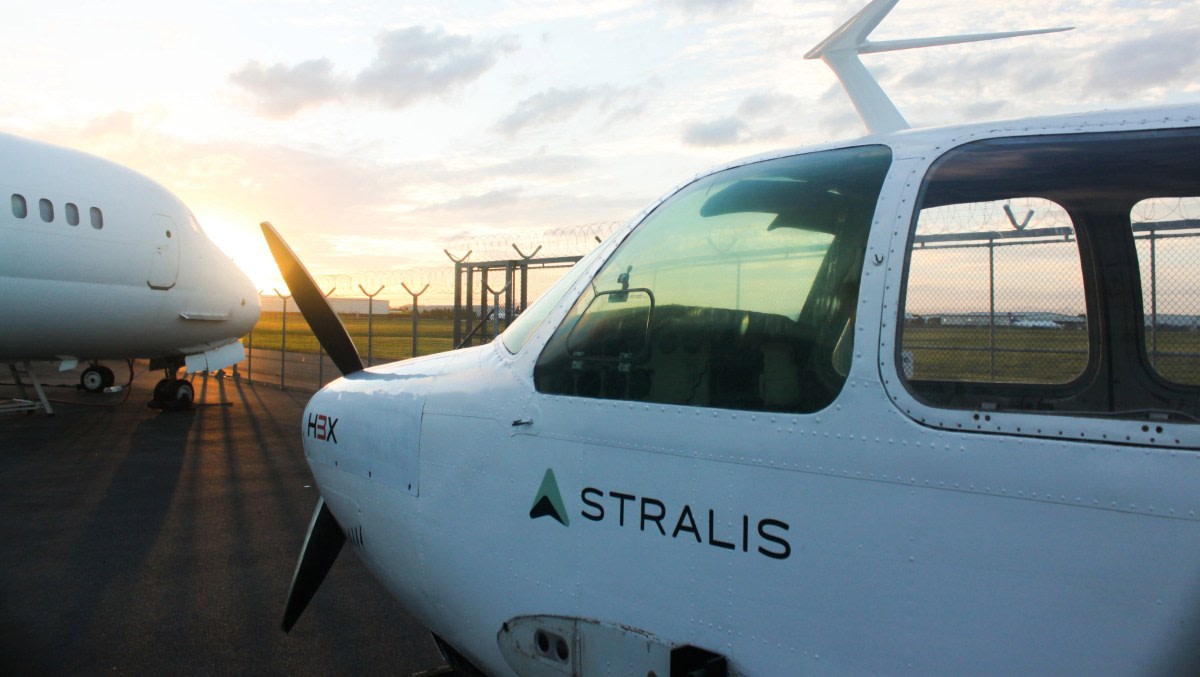
Stralis is set to test its hydrogen propulsion technology at a Japanese university after signing a new MoU.
The agreement with Akita and Akita Prefectural institutions came as part of a wider Queensland state delegation to Japan and includes a plan to fly its Bonanza aircraft in the country later next year.
This content is available exclusively to Australian Aviation members.
A monthly membership is only $5.99 or save with our annual plans.
- Australian Aviation quarterly print & digital magazines
- Access to In Focus reports every month on our website
- Unlimited access to all Australian Aviation digital content
- Access to the Australian Aviation app
- Australian Aviation quarterly print & digital magazines
- Access to In Focus reports every month on our website
- Access to our Behind the Lens photo galleries and other exclusive content
- Daily news updates via our email bulletin
- Unlimited access to all Australian Aviation digital content
- Access to the Australian Aviation app
- Australian Aviation quarterly print & digital magazines
- Access to In Focus reports every month on our website
- Access to our Behind the Lens photo galleries and other exclusive content
- Daily news updates via our email bulletin
Stralis believes its hydrogen-electric system will enable aircraft to fly further than rival battery-electric technology while being far cheaper than traditional fuel.
Its first commercial product will retrofit a Beech 1900D aircraft with its hydrogen system, with a planned entry to service by 2030. The aircraft will carry 15 passengers up to 432 nautical miles (800 km), flying at a speed of 270 knots (500 km/h) at an altitude of 20,000 feet.
“Under the agreement, Stralis will test its hydrogen-electric propulsion components at one of Japan’s most advanced electric aircraft testbeds, operated by the Joint Research Centre for Electric Architecture in Akita’s state-of-the-art all-electric aircraft testbed, one of the most sophisticated of its kind in Japan,” said the Queensland state government.
“The deal will also support new training and skills pathways for future aviation engineers and technicians, backed by industry and academic partnerships.
“Stralis’ proprietary hydrogen-electric system is six times lighter than existing fuel cell solutions, enabling hydrogen aircraft to fly ten times further than battery-electric alternatives, at half the cost of fossil fuel-powered planes.”
It comes after Australian Aviation reported in December how Stralis has successfully tested a hydrogen-electric powered propeller spin on the ground at Brisbane Airport.

The test, conducted on a ground demonstrator aircraft dubbed “Clyde”, took place at Brisbane Airport and was the first of its kind in the Southern Hemisphere, as well as the first on a registered plane at an international airport.
It follows a successful spin-up of an electric motor on a Stralis Beechcraft Bonanza in January of this year and is a step towards flight testing on a sister aircraft, “Bonnie,” in 2025, and the potential for commercial flights in 2026.
Stralis is one of several firms pioneering hydrogen technology in Australia.
AMSL Aero, for example, is developing a bespoke electric vertical takeoff and landing (eVTOL) aircraft, called Vertiia, which it hopes will be able to fly up to 1,000 kilometres.
Its maiden flight took off in November last year, and the company has now completed its first year of hydrogen fuel cell testing.
In total, the firm has received deposits for at least 26 Vertiia aircraft orders from civil customers, including 20 from Aviation Logistics, which operates the Air Link, AirMed, and Chartair brands, covering passenger services, aircraft charter, air freight, and aeromedical flights across Australia.
Want to see more stories from trusted news sources?
Make Australian Aviation a preferred news source on Google.
Click here to add Australian Aviation as a preferred news source.