
 iscover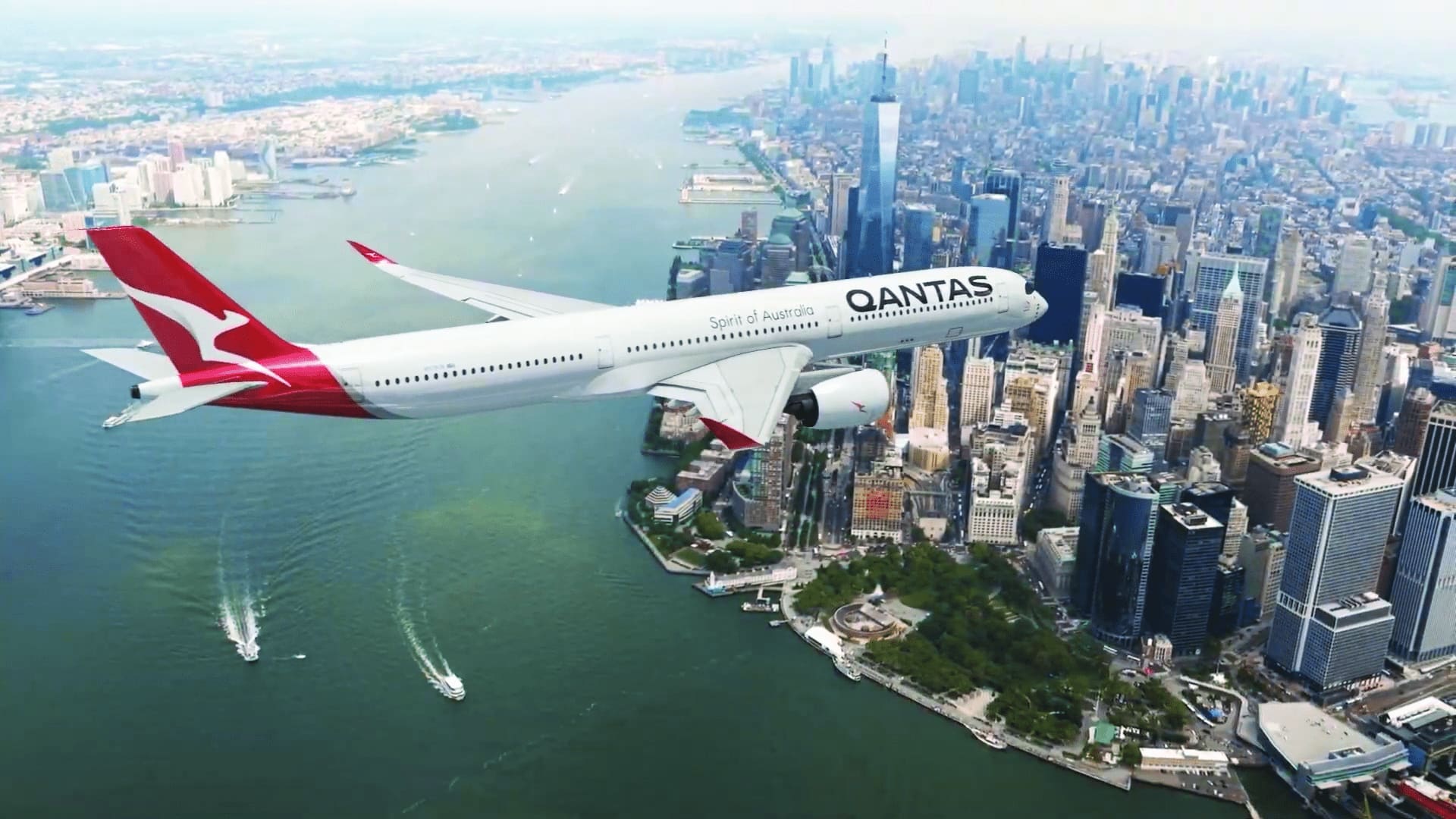
Qantas and Airbus have pledged to invest $15 million in a climate-focused venture capital fund.
In a joint statement, the two businesses said Climate Tech Partners (CTP) would work with corporate backers to develop solutions targeted at specific industry needs.
This content is available exclusively to Australian Aviation members.
A monthly membership is only $5.99 or save with our annual plans.
- Australian Aviation quarterly print & digital magazines
- Access to In Focus reports every month on our website
- Unlimited access to all Australian Aviation digital content
- Access to the Australian Aviation app
- Australian Aviation quarterly print & digital magazines
- Access to In Focus reports every month on our website
- Access to our Behind the Lens photo galleries and other exclusive content
- Daily news updates via our email bulletin
- Unlimited access to all Australian Aviation digital content
- Access to the Australian Aviation app
- Australian Aviation quarterly print & digital magazines
- Access to In Focus reports every month on our website
- Access to our Behind the Lens photo galleries and other exclusive content
- Daily news updates via our email bulletin
The money will form a new vehicle alongside CTP’s main fund and will prioritise the development of sustainable aviation fuel (SAF), feedstock development, and other related technologies.
It marks the latest step in Qantas and Airbus’ wider US$200 million joint initiative launched in 2022, aimed at fast-tracking SAF production.
Fiona Messent, the Qantas Group’s chief sustainability officer, said SAF remains the airline’s most viable near-term decarbonisation option.
“As well as funding, this partnership will help provide a vote of confidence in new technologies so they can be developed, scaled and integrated in the SAF supply chain,” she said. “For Australia, an onshore SAF industry will mean improved national fuel security, more jobs and economic benefit.”
The companies said their support for early-stage innovation is intended to address the current gap between promising climate technologies and large-scale commercial rollout in Australia.
CTP, which specialises in scaling climate-related technologies in sectors like energy and logistics, will invest in both local and international start-ups on behalf of the Flying Kangaroo and Airbus. The companies may later pursue additional investments in ventures that show promise for application in Australia.

Julie Kitcher, Airbus’ chief sustainability officer, added that decarbonising aviation demands cooperation across the aviation and energy landscape.
“This partnership with CTP and Qantas highlights that the scaling of Sustainable Aviation Fuel needs innovative solutions for a nascent technology that will drive innovation, attract investment and create new jobs in Australia,” she said.
The move is one of several major initiatives by local aviation firms to embrace SAFs, which have the potential to significantly reduce carbon emissions.
Last month, for example, Australian Aviation reported how Virgin had partnered with Viva Energy to trial SAF in departing flights from Whitsunday Coast Airport.
The agreement, to last from March to July 2025, will see Virgin use a blend of A1 jet fuel and 30–40 per cent synthetic SAF made from waste and residue feedstocks, which the airline says is fully compatible with existing aircraft, fuelling infrastructure and regulatory and safety requirements.
Air New Zealand, meanwhile, last year signed a deal for 9 million litres of SAF that will be blended with conventional jet fuel.
The initiatives followed strong lobbying by former Qantas CEO Alan Joyce, who in 2022 argued Australia should be beating other nations to produce large quantities of SAF itself.
“Australians are the most competitive people I’ve ever come across,” Joyce said. “We should be making it into a World Cup. I think we’d win if that were the case.”
Joyce was a long-term advocate of encouraging more production of SAFs in Australia, branding it a “huge opportunity” that would create “a huge amount of jobs”.
“It’s a shame if Qantas meets its 10 per cent sustainable aviation fuel target in 2030 by just buying it offshore. That would be terrible outrage in my mind, and it’s a terrible dropping of the ball in Australia.”
Want to see more stories from trusted news sources?
Make Australian Aviation a preferred news source on Google.
Click here to add Australian Aviation as a preferred news source.







Murray Joel
says:SAF for security of fuel supply – seems sensible. SAF to ‘save the planet’ – not so much…..