
 iscover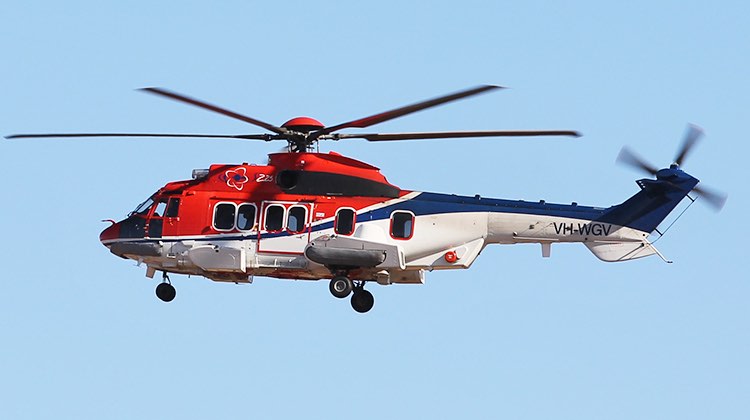
The UK Civil Aviation Authority (CAA) and the Civil Aviation Authority Norway announced on July 7 2017 plans to lift restrictions on all commercially operated UK and Norwegian registered H225LP and AS332L2 Super Puma helicopters following the global grounding that was imposed after a fatal accident involving the type in Norway in April 2016.
Despite the European Aviation Safety Agency (EASA) clearing the type to resume commercial flights with conditions in October 2016, both the UK CAA and CAA Norway had held their restrictions in place until further enhancements were made by Airbus Helicopters to develop modifications and improved safety measures for the type.
This content is available exclusively to Australian Aviation members.
A monthly membership is only $5.99 or save with our annual plans.
- Australian Aviation quarterly print & digital magazines
- Access to In Focus reports every month on our website
- Unlimited access to all Australian Aviation digital content
- Access to the Australian Aviation app
- Australian Aviation quarterly print & digital magazines
- Access to In Focus reports every month on our website
- Access to our Behind the Lens photo galleries and other exclusive content
- Daily news updates via our email bulletin
- Unlimited access to all Australian Aviation digital content
- Access to the Australian Aviation app
- Australian Aviation quarterly print & digital magazines
- Access to In Focus reports every month on our website
- Access to our Behind the Lens photo galleries and other exclusive content
- Daily news updates via our email bulletin
The modifications includes the early removal of main gearbox components susceptible to premature deterioration, improved maintenance inspection methods to detect early deterioration, more frequent inspections and a reduction in the thresholds for rejecting components based on early signs of any deterioration.
The UK CAA said British Super Pumas would not begin flying until individual operators supplied a safety case to ensure that they had met all the necessary measures and had in place procedures, processes, tooling and training for a return to service of the type.
“This is not a decision we have taken lightly,” said the UK CAA’s head of airworthiness John McColl.
“It has only been made after receiving extensive information from the Norwegian accident investigators and being satisfied with the subsequent changes introduced by Airbus Helicopters through detailed assessment and analysis.
“We would not have made this decision unless we were convinced that the changes to the helicopters and their maintenance restore the required airworthiness standards.”
Want to see more stories from trusted news sources?
Make Australian Aviation a preferred news source on Google.
Click here to add Australian Aviation as a preferred news source.