iscover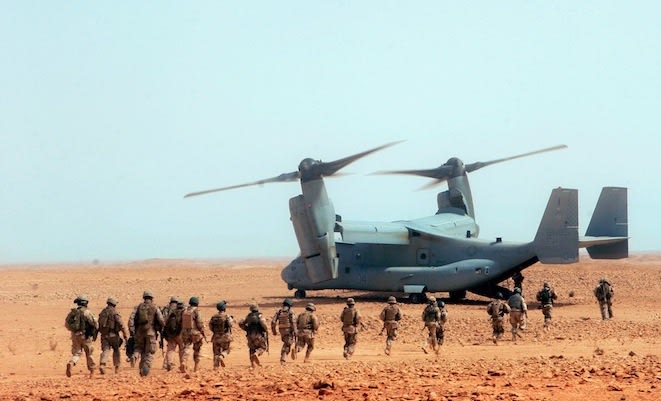
The Bell Boeing V-22 program, the strategic alliance between Bell Helicopter and Boeing, has been awarded a five-year US Naval Air Systems Command (NAVAIR) contract for the production and delivery of 99 V-22 Osprey tiltrotor aircraft, including 92 MV-22 models for the US Marine Corps and seven CV-22 models for the US Air Force Special Operations Command.
“Signing this contract speaks volumes towards the confidence our services have in the V-22 Osprey,” said Col. Greg Masiello, V-22 Joint Program Office program manager.
This content is available exclusively to Australian Aviation members.
A monthly membership is only $5.99 or save with our annual plans.
- Australian Aviation quarterly print & digital magazines
- Access to In Focus reports every month on our website
- Unlimited access to all Australian Aviation digital content
- Access to the Australian Aviation app
- Australian Aviation quarterly print & digital magazines
- Access to In Focus reports every month on our website
- Access to our Behind the Lens photo galleries and other exclusive content
- Daily news updates via our email bulletin
- Unlimited access to all Australian Aviation digital content
- Access to the Australian Aviation app
- Australian Aviation quarterly print & digital magazines
- Access to In Focus reports every month on our website
- Access to our Behind the Lens photo galleries and other exclusive content
- Daily news updates via our email bulletin
“Since 2007, the V-22 has been continuously forward-deployed in a range of combat, humanitarian, and special operations roles. Ospreys continue to transform our Marine Corps Air Ground Task Force and Air Force Special Operations by enabling missions not possible with conventional aircraft.”
The V-22 Osprey is a joint-service, multirole combat aircraft that uses tiltrotor technology to combine the speed and range of a fixed-wing airplane with the vertical performance of a helicopter.
More than 200 V-22 Ospreys are currently in operation and the worldwide fleet has amassed more than 185,000 flight hours, with half of those hours logged in the past three years.
Want to see more stories from trusted news sources?
Make Australian Aviation a preferred news source on Google.
Click here to add Australian Aviation as a preferred news source.