
 iscover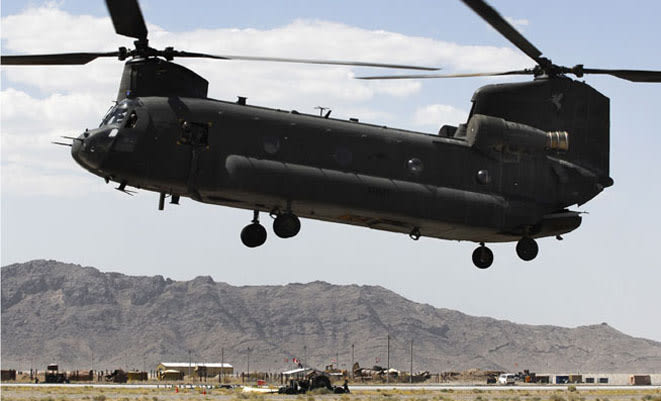
The CH-47D Chinook helicopter crash that killed Army LT Marcus Case resulted from a mechanical glitch that has nearly caused three other crashes, an inquiry into the incident has been told.
A aeronautical engineer from the Defence Science and Technology Organisation (DSTO) told the inquiry that the D-model Chinook’s analogue Advanced Flight Control System (ACFS) was prone to becoming overloaded in Afghanistan’s demanding high-altitude flight conditions, causing the helicopter to “porpoise,” or tilt onto its nose, as occurred in the May 30 2011 crash that killed LT Case.
This content is available exclusively to Australian Aviation members.
A monthly membership is only $5.99 or save with our annual plans.
- Australian Aviation quarterly print & digital magazines
- Access to In Focus reports every month on our website
- Unlimited access to all Australian Aviation digital content
- Access to the Australian Aviation app
- Australian Aviation quarterly print & digital magazines
- Access to In Focus reports every month on our website
- Access to our Behind the Lens photo galleries and other exclusive content
- Daily news updates via our email bulletin
- Unlimited access to all Australian Aviation digital content
- Access to the Australian Aviation app
- Australian Aviation quarterly print & digital magazines
- Access to In Focus reports every month on our website
- Access to our Behind the Lens photo galleries and other exclusive content
- Daily news updates via our email bulletin
The scientist, Rhys Lehmann, told the inquiry that the digital ACFS of the new F-model Chinook reduced or eliminated the problem, The Age reported. Australia had been scheduled to begin received CH-47Fs last year but the upgrade plan was pushed back to 2014.
Lehmann told the inquiry that Australian Chinooks had started to “porpoise” on three other occasions in Afghanistan but in each case pilots were able to regain control.
Defence said “minor adjustments” had been made in Chinook operations in response to the problem, The Age reported.
Want to see more stories from trusted news sources?
Make Australian Aviation a preferred news source on Google.
Click here to add Australian Aviation as a preferred news source.