
 iscover
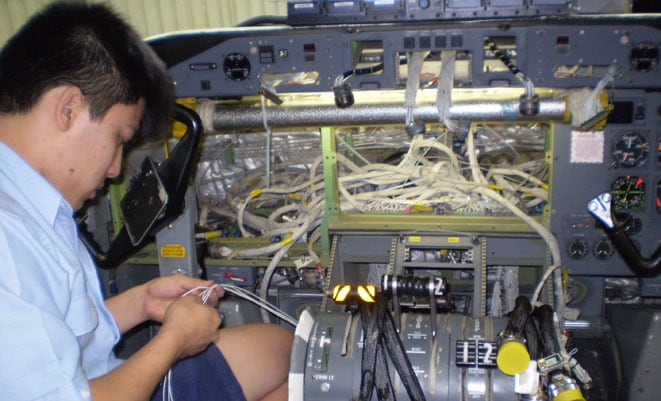 CASA’s new suite of maintenance regulations for regular public transport (RPT) operations – covering continuing airworthiness requirements (Part 42), approved maintenance organisations (Part 145), maintenance personnel licensing (Part 66), and maintenance training organisations (Part 147) – came into effect on June 27.
The rules, which are being phased in over a two year period, are based on European EASA regulations, and have seen over 7000 LAMEs issued with their new licences under Part 66.
This content is available exclusively to Australian Aviation members.
A monthly membership is only $5.99 or save with our annual plans.
- Australian Aviation quarterly print & digital magazines
- Access to In Focus reports every month on our website
- Unlimited access to all Australian Aviation digital content
- Access to the Australian Aviation app
- Australian Aviation quarterly print & digital magazines
- Access to In Focus reports every month on our website
- Access to our Behind the Lens photo galleries and other exclusive content
- Daily news updates via our email bulletin
- Unlimited access to all Australian Aviation digital content
- Access to the Australian Aviation app
- Australian Aviation quarterly print & digital magazines
- Access to In Focus reports every month on our website
- Access to our Behind the Lens photo galleries and other exclusive content
- Daily news updates via our email bulletin
“The regulations will deliver a clearer focus on safety outcomes, while allowing maintenance organisations flexibility in the way they conduct their operations,” CASA said in a statement.
AMROBA, the Aviation Maintenance, Repair and Overhaul Business Association, has been critical of the changes, noting on its website that, “all the risks associated with the introduction of these new rules have not been addressed. These rules were supposed to ‘harmonise’ with the EASA maintenance regulations but, once again, are unique and will not assist with harmonisation with EASA or the FAA…”
Claims AMROBA, “Unlike the EASA regulations they are based on, the increased regulatory imposts of these regulations will further increase costs with no improvement in safety.”
Want to see more stories from trusted news sources?
Make Australian Aviation a preferred news source on Google.
Click here to add Australian Aviation as a preferred news source.