
 iscover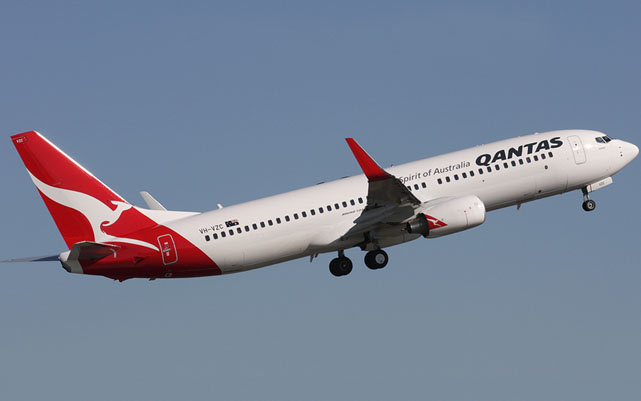
Qantas commenced trials of RNP (Required Navigation Performance) procedures at Melbourne Airport on December 3, which it believes will help cut the environmental impact of its flights.
“RNP utilises GPS technology that allows pilots to optimise flight approach and departure tracks,” explained Qantas group executive government and corporate affairs David Epstein. “This results in shorter flightpaths which reduces impact on the community as we don’t have aircraft in the air as long, and of course, reduces Qantas’s carbon footprint by limiting the amount of fuel emissions we are generating.”
This content is available exclusively to Australian Aviation members.
A monthly membership is only $5.99 or save with our annual plans.
- Australian Aviation quarterly print & digital magazines
- Access to In Focus reports every month on our website
- Unlimited access to all Australian Aviation digital content
- Access to the Australian Aviation app
- Australian Aviation quarterly print & digital magazines
- Access to In Focus reports every month on our website
- Access to our Behind the Lens photo galleries and other exclusive content
- Daily news updates via our email bulletin
- Unlimited access to all Australian Aviation digital content
- Access to the Australian Aviation app
- Australian Aviation quarterly print & digital magazines
- Access to In Focus reports every month on our website
- Access to our Behind the Lens photo galleries and other exclusive content
- Daily news updates via our email bulletin
Melbourne is now the 16th Australian port where Qantas has trialled RNP procedures with its fleet of Boeing 737-800s. Airservices Australia has committed to the of RNP at 28 airports around Australia over the next five years, making it the first national PBN network in the world.
Want to see more stories from trusted news sources?
Make Australian Aviation a preferred news source on Google.
Click here to add Australian Aviation as a preferred news source.