
 iscover
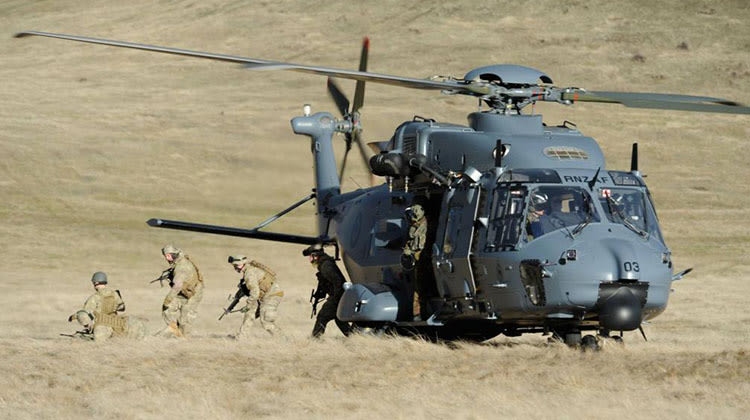 The Royal New Zealand Air Force (RNZAF) has eased flying restrictions on its fleet of eight NH90s three weeks after an engine failure resulted in one of the medium utility helicopters making an emergency landing.
A NH90 had just departed Woodburne Air Force base with nine people on board en route back to its base at Ohakea on April 16 when the crew felt a large vibration followed by a loss of power in the helicopter’s right-hand Rolls-Royce Turbomecca RTM 322-01/9 engine.
This content is available exclusively to Australian Aviation members.
A monthly membership is only $5.99 or save with our annual plans.
- Australian Aviation quarterly print & digital magazines
- Access to In Focus reports every month on our website
- Unlimited access to all Australian Aviation digital content
- Access to the Australian Aviation app
- Australian Aviation quarterly print & digital magazines
- Access to In Focus reports every month on our website
- Access to our Behind the Lens photo galleries and other exclusive content
- Daily news updates via our email bulletin
- Unlimited access to all Australian Aviation digital content
- Access to the Australian Aviation app
- Australian Aviation quarterly print & digital magazines
- Access to In Focus reports every month on our website
- Access to our Behind the Lens photo galleries and other exclusive content
- Daily news updates via our email bulletin
The crew safely performed an immediate precautionary landing on a nearby private airstrip.
On April 20 the RNZAF elected to restrict NH90 flying operations, preventing them from flying at night, over water and over mountainous terrain, while the problem engine was removed in situ and initially shipped to Safran Helicopter Engines at Sydney’s Bankstown Airport for a detailed inspection.
“The limitation on NH90 operations will prevent flights where an immediate landing will not be possible in the case of an engine-related emergency. For example, over built-up areas, mountainous terrain or over water,” read a RNZDF statement following the incident.
Those restrictions were then largely lifted on May 8.
“We know now how the aircraft performed with one engine and we are working with the aircraft engine manufacturer to clarify the initial causes of the engine failure,” Chief of Air Force Air Vice-Marshal Tony Davies said on May 8.
“Those investigations have given us confidence the aircraft can be operated safely following a similar engine failure. Therefore we have returned to normal flying operations, except where the aircraft is operating at its upper weight limits, and plan to return to full operations as soon as the engine manufacturer has determined the reasons for the initial failure.”

During the period of restricted operations the NH90s continued to fly on training missions around their home base of RNZAF Ohakea and were available for “urgent tasks of national significance”.
Want to see more stories from trusted news sources?
Make Australian Aviation a preferred news source on Google.
Click here to add Australian Aviation as a preferred news source.