
 iscover

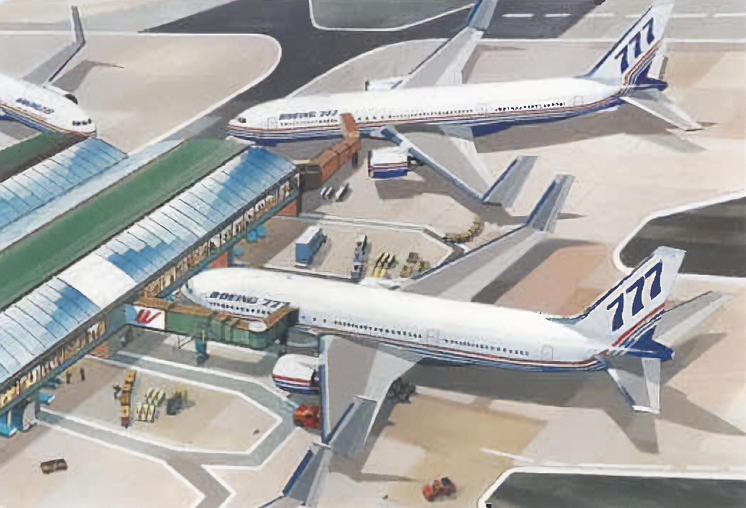
Boeing 777 number one was presented for the first time in a day long series of audio visual displays to almost 100,000 people. Most present were Boeing employees and their families, as well as representatives of customer airlines, the engine manufacturers, suppliers and media. It seems highly likely that this will be the last rollout of an all new western airliner this century, unless McDonnell Douglas can make something of its stalled MD-12 programme. The 777 is due to make its first flight during the course of this issue.
Update- Boeing 777
 0 comment


The Boeing 777: Working Together
That Boeing invited close to 100,000 employees and their families, airline staff, suppliers, engine manufacturers, and media representatives to a series of 15 rollouts of its 777 in April illustrates the extent to which it has taken its radically changed “Working Together” approach in designing and building this big twinjet.
On the face of it, the unremarkable-looking 777 resembles a scaled-up 767, but new methods in the way Boeing designed and developed this aircraft mean that the 777 represents not only a new generation big twin, but also a new approach to designing aircraft. This has been achieved through the complete use of computers and a collaborative approach with suppliers, engine manufacturers, customer airlines, and sections within Boeing itself.
This content is available exclusively to Australian Aviation members.
A monthly membership is only $5.99 or save with our annual plans.
- Australian Aviation quarterly print & digital magazines
- Access to In Focus reports every month on our website
- Unlimited access to all Australian Aviation digital content
- Access to the Australian Aviation app
- Australian Aviation quarterly print & digital magazines
- Access to In Focus reports every month on our website
- Access to our Behind the Lens photo galleries and other exclusive content
- Daily news updates via our email bulletin
Design Evolution: From 767-X to 777

The 777 project dates back to the late 1980s when Boeing undertook studies for a higher-capacity 767 to fill a model gap between that and the much larger 747. Initial studies in 1986 focused on 767-based derivatives. One novel approach mooted in 1988 was dubbed the “Humpback of Mukilteo,” named after a small town near Boeing’s Everett plant. It featured a unique aft double deck, similar to the 747 but situated aft. This configuration fell out of favour due to increased drag and inadequate underfloor freight capacity.
In response to airline consensus that the size difference between the 767 and 747 was too large, Boeing took a clean sheet of paper to design the 777—an all-new 300 to 400 seat twinjet.
The “Working Together” Philosophy
Spurred by a problem-filled development of the 747-400 and a bitter strike in 1989, Boeing CEO Frank Shrontz reformed the company’s rigid corporate culture. The 777 programme saw significant design input from a group colloquially known as the “Gang of Eight” (officially the Working Together Airlines): United, Delta, American, Japan Air Lines, All Nippon, Cathay Pacific, British Airways, and Qantas.
Their input resulted in the 777 having a larger cross-section than any other widebody airliner (except the 747), providing great seating flexibility. United, for example, prompted a redesign of the 13m long composite trailing edge flap so it could be easily disassembled for repairs.
Advanced Technology and Flight Deck


The 777 is the most technically advanced Boeing designed to date. Key features include:
- Fly-by-wire: A three-axis flight control system with a patented two-way digital databus (ARINC 629).
- Glass Cockpit: Based on the 747-400, it uses six large flat-screen Liquid Crystal Displays (LCDs) which are lighter, generate less heat, and remain visible in direct sunlight.
- Materials: Composites account for about 10% of the structural weight. Australia’s ASTA builds the composite rudder, while Hawker de Havilland builds the composite ailerons.
- Folding Wingtips: Offered as an option (at a 1.5-tonne penalty) to allow the large aircraft to fit into existing airport gates, though no airlines have specified this option yet.
Powerplants
For the first time, a large aircraft’s size was not constrained by available engines. Pratt & Whitney (PW4000), General Electric (GE90), and Rolls-Royce (Trent 800) all offer engines capable of producing more than 100,000 lb of thrust. The GE90 is notably an all-new engine developed specifically for the 777.
Digital Design: CATIA
The 777 is the first airliner in the world to be fully designed using computers, doing away with traditional drawing methods. Using Dassault Systems’ CATIA (Computer-aided Three-dimensional Interactive Application), Boeing was able to pre-assemble components on screen. This 3D CADCAM system allowed designers to detect misalignments or interference problems on the computer, eliminating the need for expensive physical engineering mockups.
Digital Simulation and Manufacturing Integration
CATIA made a massive difference to the fitting and joining of various systems in the manufacturing process. Boeing had aimed to reduce instances of what is termed nonconformance by 50% compared with previous programmes through the use of computer design. In actual fact, the reduction in the need for component reworking and change has been reduced by as much as 80% in some areas.
In addition, Boeing and IBM developed what has been dubbed “CATIA Man,” a computer-simulated scale human figure who can move about within the three-dimensional images of 777 components to see whether or not a human mechanic could freely access certain areas. A number of discoveries have been made using CATIA Man, including that a mechanic would not have been able to replace a navigation light on the roof of the aircraft. This further removed the need for physical mockups and reduced the chances of problems being discovered after the 777 had been delivered to customer airlines.
The actual CAD/CAM system itself linked 2,200 Boeing computer workstations to eight IBM mainframe computers, one of the largest mainframe clusters in the world. While Boeing had previously made limited use of CAD/CAM for its 747-400 programme, this is the largest application of the technology in aircraft design to date. The company found that changing from two-dimensional drawings to three-dimensional computer images involved a significant cultural change, but once overcome, the benefits have been great.
Ensuring Service Readiness


The use of CAD/CAM and CATIA Man are important parts of Boeing’s drive to make the 777 service-ready when it enters service late next year. This philosophy reflects the problems Boeing experienced with the 747-400, where it had to assign 300 engineers to work on the aircraft after it had entered airline service to cope with the significant number of bugs previously undetected in the design.

Another important area in which this is reflected is the Integrated Aircraft Systems Laboratory (IASL). Boeing set up the laboratory to ensure the 777 is service-ready by thoroughly testing key design components under one roof. The IASL has been testing what has been dubbed “Aircraft Zero,” which is essentially a 777 without the skin. This has involved testing the flight controls, flight deck systems, and avionics together to discover any faults before the first aircraft even takes to the skies.
The Drive for 180-Minute ETOPS
A third major component in ensuring service readiness is Boeing’s ambitious drive to have the 777 cleared for ETOPS operations from day one. The manufacturer has aimed to convince the US Federal Aviation Administration and Europe’s Joint Airworthiness Authorities that the 777 should be granted full 180-minute Extended-range Twin-engine Operations (ETOPS) clearance at its service entry. In the past, ETOPS clearance has been granted in increments as an aircraft proves its reliability in service.
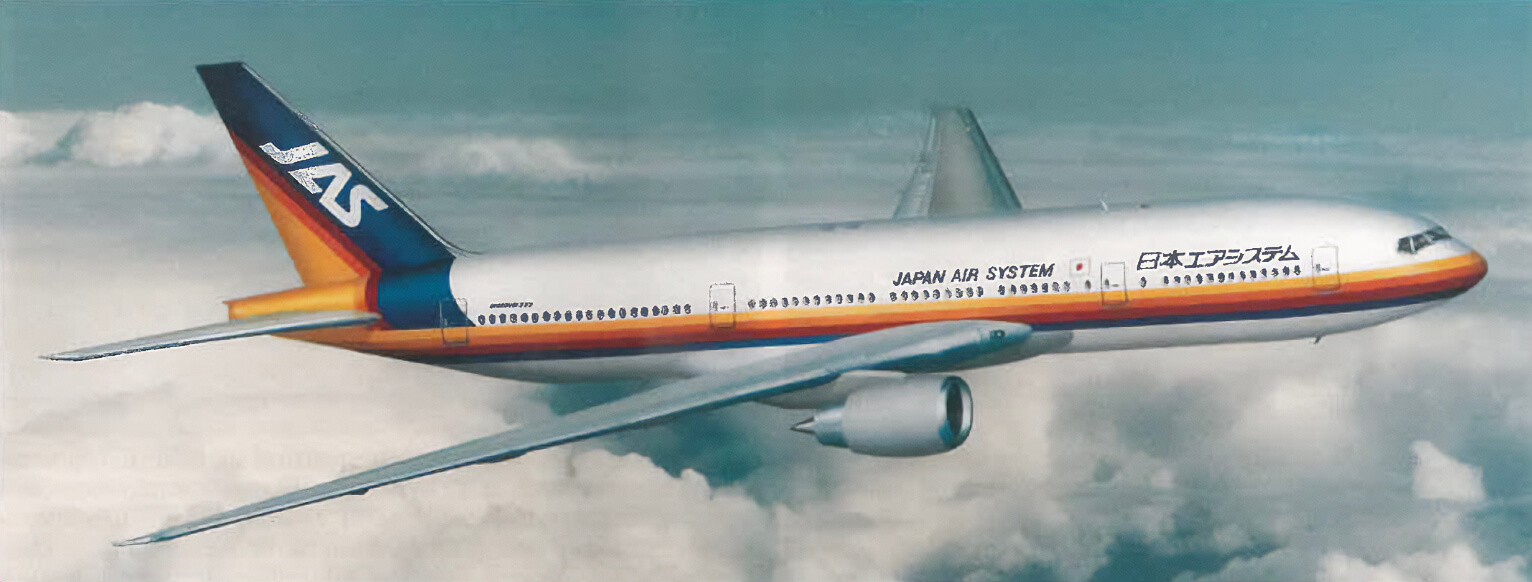
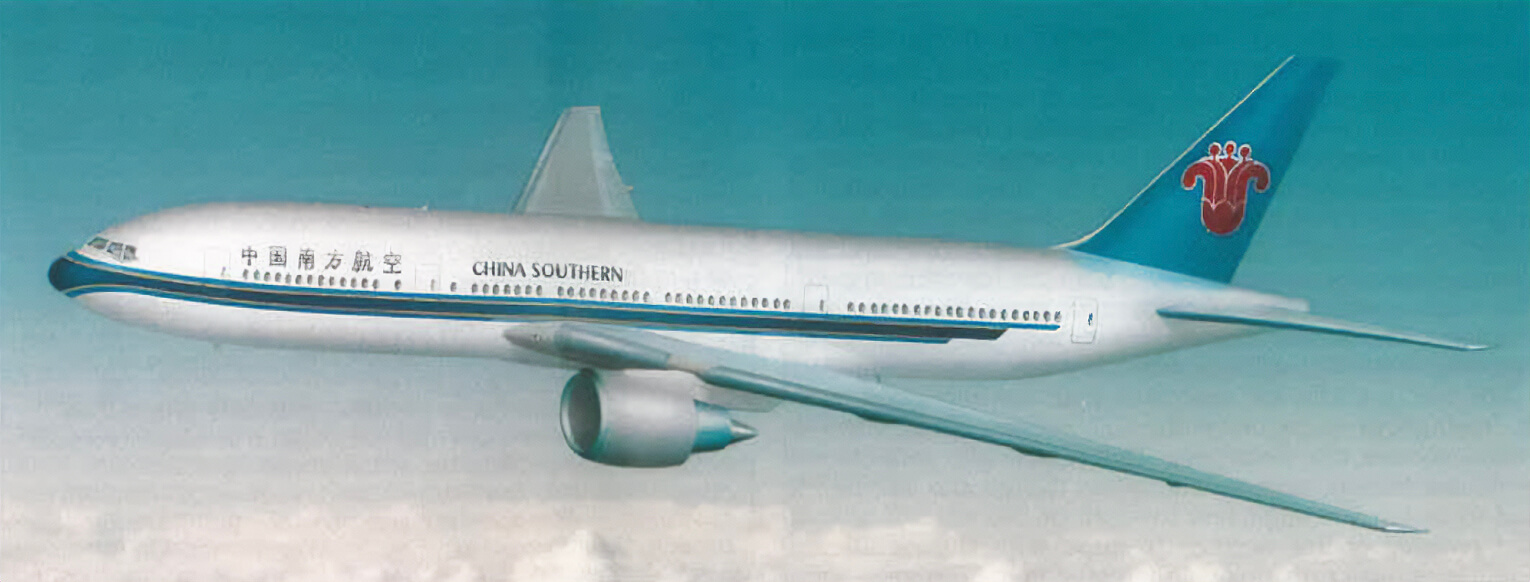
Boeing justifies this request by designing the 777 for ETOPS from the start. Unlike earlier twins, the 777 features more redundant systems and more reliable engines. For example, Pratt & Whitney has designed more than 160 special features into its PW4084 powerplant to reduce the likelihood of in-flight engine shutdowns.

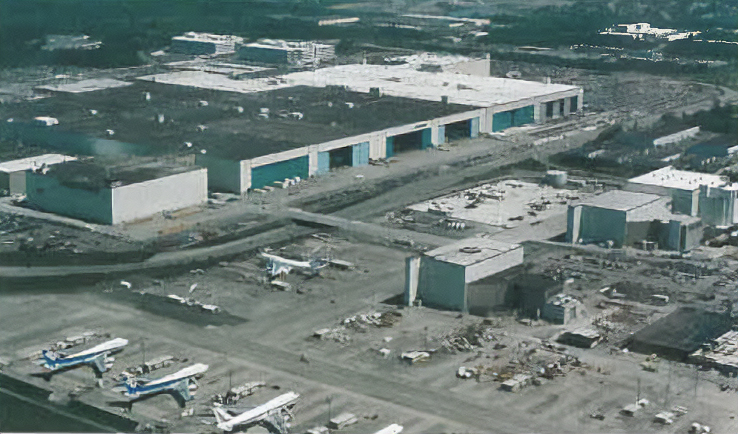
To convince aviation authorities, Boeing will embark on its most extensive flight testing programme ever. No less than nine 777s will be involved in flight testing. Three of these aircraft—one for each engine type—will fly more than 1,000 flight cycles during testing, the equivalent of one year’s airline service. Should the 777 successfully complete all validation testing, the FAA has indicated it would be prepared to award 180-minute clearance from service entry, although the European JAA is understood to be more cautious.
Current schedules aim for the 777 to be certificated in the second quarter of next year, in time for the first delivery to United Airlines in May. The first B-Market 777 will be delivered to British Airways in December 1996. With these new design techniques, Boeing has taken a bold step into the future. Radical changes in the way the company designs and builds airliners have certainly benefited the 777, the company, and its partners.

Want to see more stories from trusted news sources?
Make Australian Aviation a preferred news source on Google.
Click here to add Australian Aviation as a preferred news source.




